THE CATALINA FLYING BOAT
in Australian service during WWII
by Don Williams
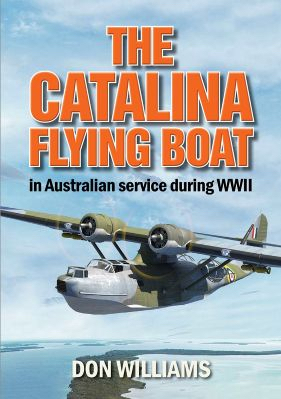
| The RAAF effort during the
Pacific War was massive, with glamorous types such as
Spitfires, P-40s, Beaufighters and Hudsons grabbing most
of the attention. While the ungainly Catalina flying boat
played an equally important frontline role in the
conflict, its contribution remains largely unheralded.
Catalinas had unique characteristics and were in the
combat zone from the first day of the war to the last,
serving in several key roles. From the earliest desperate weeks of the Pacific War, RAAF Catalinas serving as bombers were one of the few Allied types with the range to strike the key Japanese base of Rabaul. Catalinas also monitored the enemy advance up to the Battle of the Coral Sea and paid a heavy price at the hands of Japanese fighters. From 1943 the Catalina force began expanding, and eventually 168 of the flying boats were received by the RAAF. These made a major strategic contribution to the war over the next two years, undertaking a successful minelaying campaign that ranged throughout the Netherlands East Indies and beyond as far as the Chinese coast. Catalinas also provided the RAAF with a valuable air-sea rescue capability, while others serving with Qantas maintained what was the longest regular airline route in the world between Perth and Ceylon. This is a complete operational history of the Catalina in Australian service during WWII, during which 225 airmen lost their lives. |
Softcover, full colour
Fully illustrated 250mm x 176mm
132 pages, 5 pages of Index
Order
your copy of this book by clicking
on the Avonmore Books picture below

"Australia @ War" WWII Research Products

|
|
© Peter Dunn OAM 2020 |
Please
e-mail me |

This page first
produced 20 April 2026
This page last updated 20 April 2026